
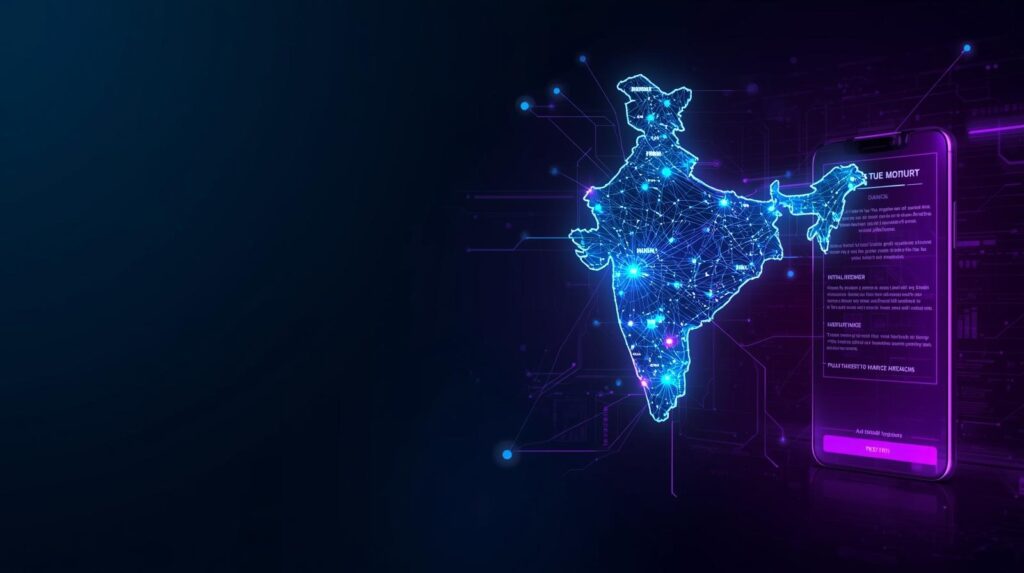
India is undergoing a massive digital transformation. Over the past decade, smartphones, affordable data plans, and supportive government policies have significantly accelerated internet adoption across the country. Today, a large number of first-time internet users are emerging from rural and semi-urban regions, where digital exposure was previously limited. This group is often referred to as India’s “Next Billion Users.”
Designing for this audience is not the same as building platforms for urban, English-speaking, tech-savvy users. Instead, it requires a deeper understanding of cultural diversity, language preferences, digital literacy gaps, and technological constraints. The goal is not only to build technology but to make technology truly usable, accessible, and meaningful for everyone.
This shift is giving rise to a new approach: Building for Bharat.
For many users in this segment, digital tools are not just conveniences—they are gateways to essential services such as education, banking, healthcare, and government benefits. However, these users often face barriers such as:
Limited familiarity with digital interfaces
Low literacy or limited English language proficiency
Low-end smartphones with restricted storage and processing power
Unstable or slow internet connectivity
Limited exposure to digital features such as payments, cloud storage, and online communication
Designing digital platforms with these realities in mind ensures inclusivity and maximizes adoption across diverse user groups.
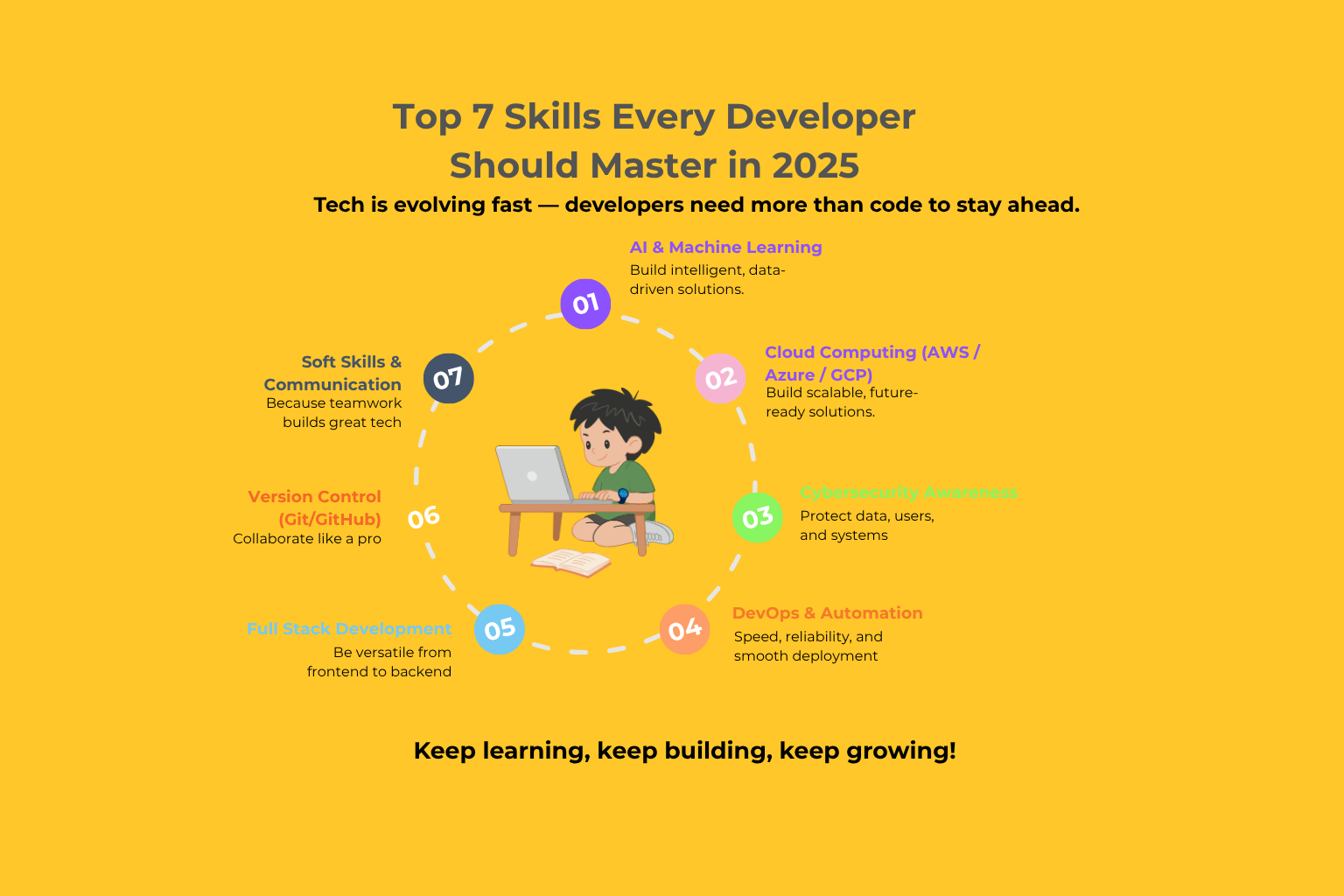
At Sarnit Infotech, we integrate AI models into web and mobile applications to deliver intelligent digital experiences. Developers skilled in AI and ML have a major edge in the coming decade.
Language is one of the biggest enablers of adoption in India. With over 22 officially recognized languages and hundreds of dialects, English cannot serve as the default medium of communication for the majority of users.
Successful platforms such as YouTube, WhatsApp, Jio, PhonePe, and Amazon have seen tremendous adoption because they offer multilingual interfaces and personalized content in regional languages.
Provide language selection during onboarding
Use simple, conversational tone instead of word-for-word translation
Support switching languages without losing data
Maintain consistent terminology across screens
Use icons, visuals, and audio prompts to reduce text dependency
When digital platforms communicate in the user’s native language, adoption increases significantly and the user experience becomes more intuitive.
Our teams at Sarnit Infotech specialize in AWS and Azure cloud solutions, ensuring our projects are always optimized for performance and cost-efficiency. Developers who master cloud environments will lead tomorrow’s digital transformation.
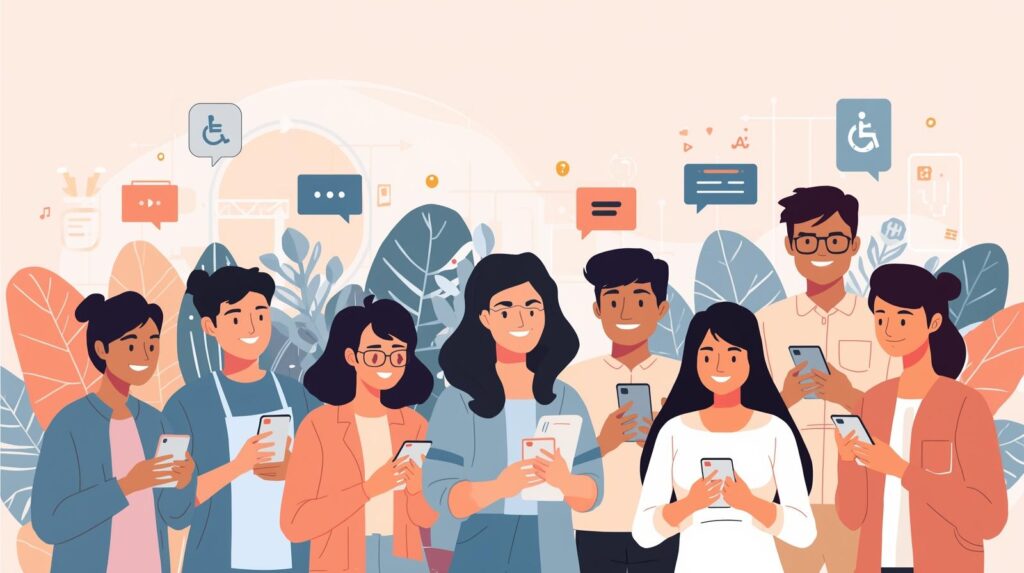
Accessibility is not only relevant to users with disabilities; it is equally essential for low-literacy and first-time smartphone users. A significant portion of users rely on features like voice assistance, visual symbols, and guided interactions rather than written instructions.
Key accessibility elements include:
Voice input, speech-to-text, and voice search
Text-to-speech and audio instructions
Large, readable font sizes
High contrast colors and simple layouts
Minimal scrolling and clean navigation flow
Offline or low-data accessibility modes
Platforms that integrate accessibility considerations from the beginning tend to create more intuitive and universally usable products.
Security is at the heart of every project we deliver. At Sarnit Infotech, our developers follow OWASP guidelines and perform routine code audits to ensure end-to-end protection
Partner with SarNit Infotech’s App Solutions team to create powerful, secure, and user-friendly apps that deliver results and elevate your brand experience.

Trust plays a crucial role in digital adoption. New users often hesitate when entering personal details, making online payments, or navigating complex features. A clear and predictable user interface helps reduce confusion and build confidence.
Effective strategies for building trust include:
Simple onboarding with visual or interactive guidance
Use of familiar symbols and culturally relevant examples
Transparent communication and easy-to-understand privacy messages
Limited cognitive load with fewer steps per action
Quick feedback through confirmations, sound cues, and progress indicators
A platform that feels safe, straightforward, and predictable encourages users to explore and engage more deeply.
At Sarnit Infotech, we integrate DevOps practices across all our projects to ensure efficiency and scalability. Developers with DevOps expertise will continue to be highly sought-after in 2025.
Most users entering India’s digital ecosystem rely on budget smartphones with limited storage, battery life, and processing capacity. Connectivity is another factor, as many regions still experience slow network speeds.
To ensure smooth performance, platforms should:
Reduce overall app size and enable modular downloads
Optimize UI elements for low-end devices
Use caching to allow offline usage wherever possible
Support low-bandwidth or data-saving modes
Reduce image size and unnecessary animations
Designing with realistic technical conditions ensures that platforms remain accessible and reliable regardless of device type or internet quality.
We at Sarnit Infotech excel in Laravel and React-based full-stack development, creating robust, scalable applications for clients across multiple industries. In 2025, the demand for full-stack developers will continue to grow exponentially.
The next phase of India’s digital growth will depend on how effectively businesses, developers, designers, and policymakers build technology that includes every segment of society.
Building for Bharat means developing digital platforms that:
Respect cultural diversity
Support multiple Indian languages
Prioritize accessibility for every user
Enable seamless performance across low-resource environments
Build trust through simplicity and clarity
The objective is not just to reach millions of new users but to empower them to actively participate in education, governance, business, and digital economy opportunities.
Our design and development teams collaborate closely to ensure that every digital product we build is user-friendly, visually appealing, and conversion-focused. Developers who understand UI/UX create experiences that drive results.
India’s digital future will not be shaped by technology alone but by how inclusively that technology is designed. Platforms that understand and adapt to the needs of India’s next billion users will not only succeed commercially but will also play a critical role in bridging the digital gap. The responsibility and opportunity lie in building solutions that are inclusive, human-centered, and designed for real-world users, not assumptions.
The future of digital India belongs to platforms that build for Bharat—thoughtfully, inclusively, and responsibly.
We encourage our developers to engage in brainstorming sessions, peer reviews, and collaborative problem-solving. Technical excellence combined with strong communication defines a true professional.
Flexible hourly-based hiring to fit your project’s scale, budget, and timeline.
Pay only for the services you need, when you need them.
Ideal for basic website development and small updates. Best For: Static websites, UI adjustments, minor bug fixes.
Perfect for medium-sized projects with advanced features. Best For: Dynamic websites, LMS, moderate e-commerce platforms.
Designed for complex, large-scale projects requiring expert skills. Best For: Full-stack apps, enterprise portals, cloud integrations.