


Introduction
India is experiencing a massive digital transformation. From online banking and e-commerce to healthcare apps and government portals, personal data has become the backbone of modern digital services. However, with increased data usage comes increased risk.
To safeguard citizens’ personal information, the Government of India introduced the Digital Personal Data Protection Act, 2023 (DPDP Act). This law fundamentally changes how personal data must be handled across digital platforms.
For developers, this is not just a legal update—it directly impacts system design, coding standards, database architecture, APIs, and overall application security. Understanding and implementing DPDP principles is now an essential part of professional software development.
What is the Digital Personal Data Protection Act (DPDP Act)?
The DPDP Act provides a legal framework for the protection of personal data in digital form. It applies to:
What Counts as Personal Data?
Personal data includes any information that can identify an individual, such as:
If your application processes any of this data, DPDP compliance is mandatory.
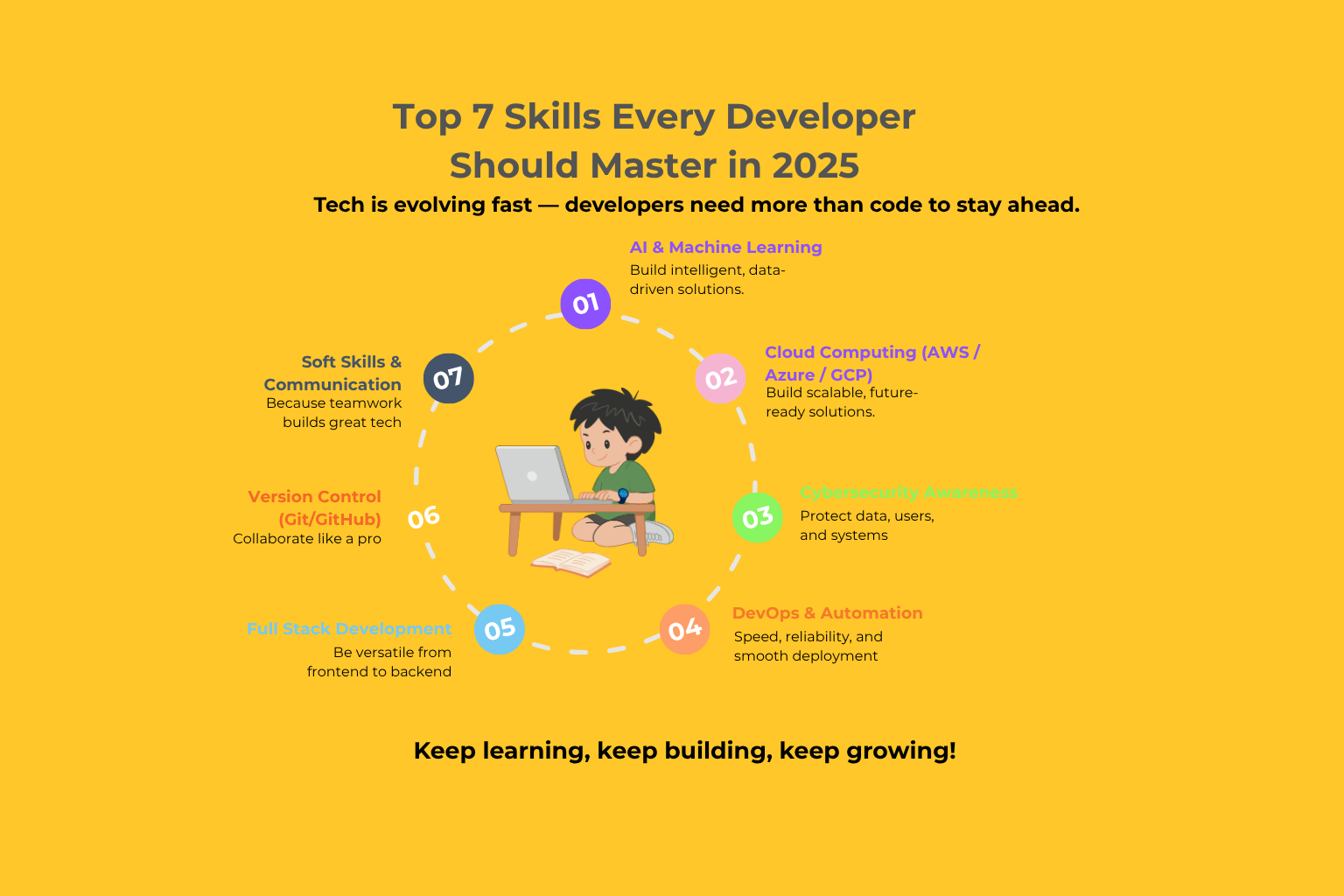
At Sarnit Infotech, we integrate AI models into web and mobile applications to deliver intelligent digital experiences. Developers skilled in AI and ML have a major edge in the coming decade.
Why the DPDP Act Matters to Developers
Earlier, data protection was often treated as a compliance or legal responsibility. Today, developers are directly responsible for implementing privacy safeguards through code.
A single vulnerability—such as insecure authentication or exposed APIs—can lead to:
Secure coding is no longer optional; it is a legal and professional requirement.
Our teams at Sarnit Infotech specialize in AWS and Azure cloud solutions, ensuring our projects are always optimized for performance and cost-efficiency. Developers who master cloud environments will lead tomorrow’s digital transformation.
Core Principles of DPDP Every Developer Must Follow
Developers must ensure that:
Best Practice:
Avoid collecting unnecessary data fields. Minimal data reduces risk and improves compliance.
Security is at the heart of every project we deliver. At Sarnit Infotech, our developers follow OWASP guidelines and perform routine code audits to ensure end-to-end protection
Partner with SarNit Infotech’s App Solutions team to create powerful, secure, and user-friendly apps that deliver results and elevate your brand experience.

Privacy must be integrated from the very beginning of application development.
This includes:
Example:
Only authorized roles should be able to view or modify personal user data.
At Sarnit Infotech, we integrate DevOps practices across all our projects to ensure efficiency and scalability. Developers with DevOps expertise will continue to be highly sought-after in 2025.
Secure coding is the foundation of data protection.
Developers should implement:
Important Tip:
Never store API keys, tokens, or database credentials in source code.
We at Sarnit Infotech excel in Laravel and React-based full-stack development, creating robust, scalable applications for clients across multiple industries. In 2025, the demand for full-stack developers will continue to grow exponentially.
The DPDP Act requires organizations to store personal data only as long as necessary.
Developers should:
Best Practice:
Use scheduled background jobs to clean up expired data.
Our design and development teams collaborate closely to ensure that every digital product we build is user-friendly, visually appealing, and conversion-focused. Developers who understand UI/UX create experiences that drive results.
Users have the right to:
Developers must design:
Handling Data Breaches and Security Incidents
In case of a data breach:
Developers can help by:
We encourage our developers to engage in brainstorming sessions, peer reviews, and collaborative problem-solving. Technical excellence combined with strong communication defines a true professional.
Penalties for Non-Compliance
Non-compliance with the DPDP Act can result in:
For startups and tech teams, this can directly impact growth and sustainability.
Best Practices and Tools for Developers
To stay DPDP-compliant:
The future of technology will be built by developers who adapt, innovate, and collaborate. Whether it’s mastering AI, cloud computing, cybersecurity, or full-stack development — continuous learning is the real superpower.
Conclusion
The Digital Personal Data Protection Act is a major step toward building a safer digital India. For developers, it marks a shift toward privacy-first and security-driven development.
By adopting secure coding practices, privacy-by-design principles, and responsible data handling, developers can build applications that are not only scalable and efficient but also legally compliant and trustworthy.
Flexible hourly-based hiring to fit your project’s scale, budget, and timeline.
Pay only for the services you need, when you need them.
Ideal for basic website development and small updates. Best For: Static websites, UI adjustments, minor bug fixes.
Perfect for medium-sized projects with advanced features. Best For: Dynamic websites, LMS, moderate e-commerce platforms.
Designed for complex, large-scale projects requiring expert skills. Best For: Full-stack apps, enterprise portals, cloud integrations.