Introduction
The technology landscape in India is undergoing a rapid evolution. Automation, artificial intelligence, machine learning, and advanced digital systems are transforming the very foundation of how work is performed in the IT industry. By 2030, automation will not just streamline tasks — it will redefine the nature, expectations, and structure of IT employment.
According to the latest estimates from NASSCOM and KPMG, nearly 65–70 percent of repetitive IT tasks in India will be automated by the end of this decade. While this shift may appear disruptive, it represents an inflection point for India’s digital economy. Automation has the potential to accelerate innovation, reduce operational cost, lift productivity levels, and enable IT professionals to move towards strategic, analytical, and creative roles.
The question is no longer whether automation will reshape IT jobs — the real question is how India prepares for this transformation.

Why Automation Is Accelerating Faster in India
India has unique advantages:
As India continues evolving from an outsourced IT service hub to a leader in product engineering, cybersecurity, artificial intelligence, and digital transformation, automation will play a defining role in shaping future skill requirements, job roles, and organizational structures.
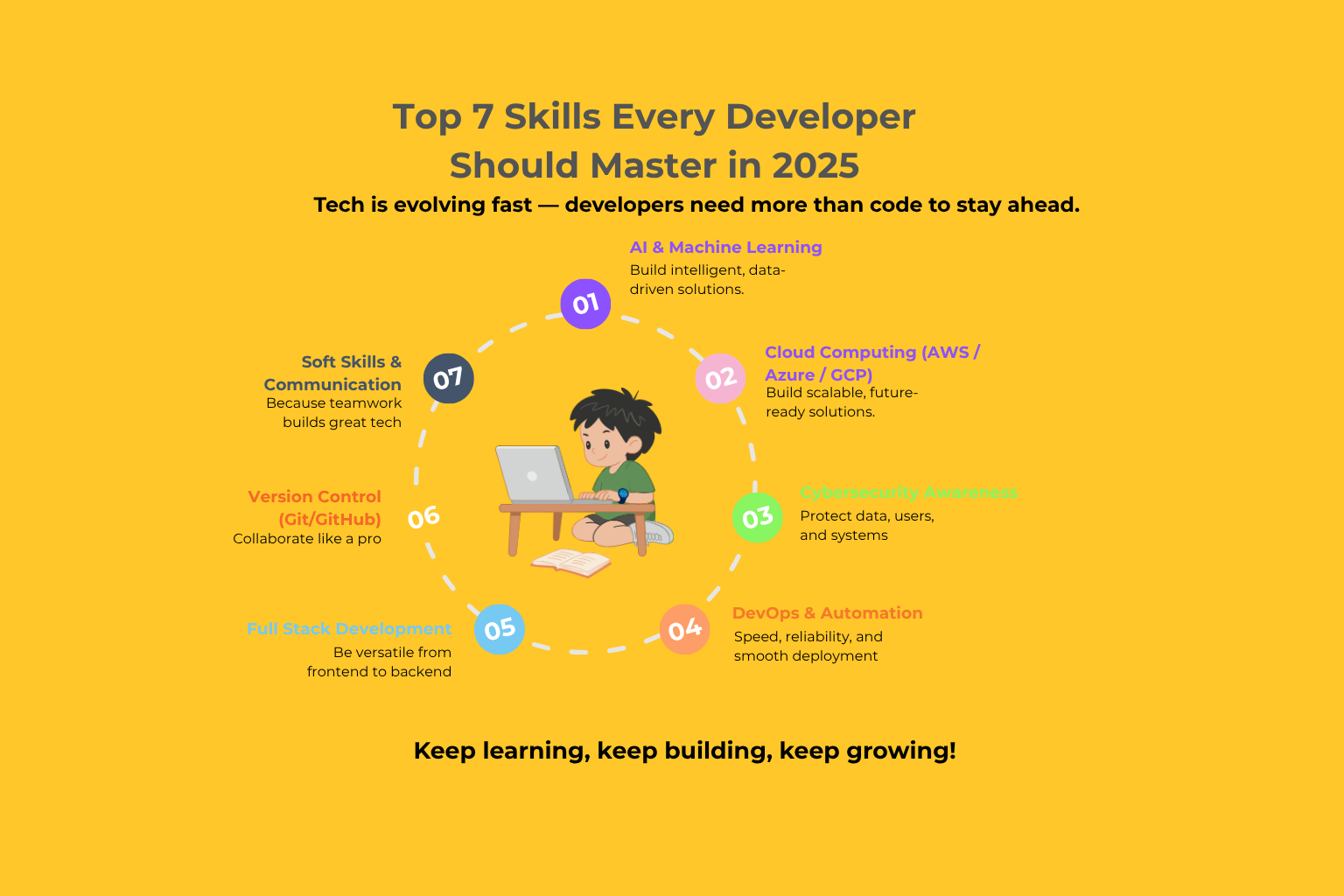
At Sarnit Infotech, we integrate AI models into web and mobile applications to deliver intelligent digital experiences. Developers skilled in AI and ML have a major edge in the coming decade.
Automation Will Not Replace Humans, It Will Replace Tasks
A common misconception is that automation eliminates jobs. In reality, automation eliminates tasks, not people — especially when implemented strategically.
A Gartner report indicates that by 2030, for every role automated, two new tech-enabled roles will be created. Automation, therefore, is not a threat — it is an accelerant.
Our teams at Sarnit Infotech specialize in AWS and Azure cloud solutions, ensuring our projects are always optimized for performance and cost-efficiency. Developers who master cloud environments will lead tomorrow’s digital transformation.
Sectors Within IT Most Affected by Automation
Domain | Automation Impact Level | Examples |
IT Support & Infrastructure | Very High | Ticket resolution bots, automated monitoring |
Software Testing | High | Automated test suites, AI-driven QA |
Software Development | Moderate to High | AI-assisted coding, low-code platforms |
Cybersecurity | Moderate | Threat detection automation with human oversight |
Cloud, AI & Data Science | Low (high job growth) | Human-led strategy, architecture, and governance |
Security is at the heart of every project we deliver. At Sarnit Infotech, our developers follow OWASP guidelines and perform routine code audits to ensure end-to-end protection
Partner with SarNit Infotech’s App Solutions team to create powerful, secure, and user-friendly apps that deliver results and elevate your brand experience.
The Future Workforce Will Be Hybrid: Humans + Intelligent Systems
The IT workplace of 2030 will evolve into a collaborative digital ecosystem, where humans manage, train, supervise, and optimize intelligent systems. Automation will handle execution; humans will handle interpretation and innovation.
Instead of “doing” tasks, professionals will focus on:
This partnership approach will lead to faster execution cycles and higher quality outcomes.
At Sarnit Infotech, we integrate DevOps practices across all our projects to ensure efficiency and scalability. Developers with DevOps expertise will continue to be highly sought-after in 2025.
Roles That Will Disappear, Transform, and Grow
Roles Likely to Decline:
Roles Being Transformed:
Emerging High-Growth Roles:
We at Sarnit Infotech excel in Laravel and React-based full-stack development, creating robust, scalable applications for clients across multiple industries. In 2025, the demand for full-stack developers will continue to grow exponentially.
Skills That Will Define the Next Decade
Technical depth alone will not be enough. Future IT professionals in India will need hybrid skill portfolios, such as:
Continuous learning will shift from optional to essential.
Our design and development teams collaborate closely to ensure that every digital product we build is user-friendly, visually appealing, and conversion-focused. Developers who understand UI/UX create experiences that drive results.
Industry Outlook: India’s IT Workforce in 2030
India’s digital economy is projected to surpass USD 1 trillion by 2030. Automation will amplify capacity, competitiveness, and global positioning.
Key shifts expected:
We encourage our developers to engage in brainstorming sessions, peer reviews, and collaborative problem-solving. Technical excellence combined with strong communication defines a true professional.
Conclusion
Automation will redefine IT work in India, not by eliminating opportunity but by reshaping it. The future belongs to professionals who are flexible, forward-thinking, and willing to continuously evolve. The next decade is a transformational era — one in which India has the opportunity to transition from being the world’s IT back office to becoming a global center of innovation, automation leadership, and digital excellence.
The future of IT work is not machine-driven — it is human-led, machine-empowered, and innovation-focused.
The future of technology will be built by developers who adapt, innovate, and collaborate. Whether it’s mastering AI, cloud computing, cybersecurity, or full-stack development — continuous learning is the real superpower.
Flexible hourly-based hiring to fit your project’s scale, budget, and timeline.
Pay only for the services you need, when you need them.
Ideal for basic website development and small updates. Best For: Static websites, UI adjustments, minor bug fixes.
Perfect for medium-sized projects with advanced features. Best For: Dynamic websites, LMS, moderate e-commerce platforms.
Designed for complex, large-scale projects requiring expert skills. Best For: Full-stack apps, enterprise portals, cloud integrations.