Writing & Content Copilots
AI writing assistants help users:
- Draft blogs
- Generate emails
- Improve grammar
- Create marketing content
Humans remain responsible for final review and publishing.
Benefits of AI Agents
Increased Productivity
AI agents automate repetitive and time-consuming tasks, enabling teams to focus on strategic work.
Faster Decision-Making
By analyzing large datasets quickly, AI agents provide real-time insights and recommendations.
Cost Reduction
Businesses can reduce operational expenses by automating routine workflows.
Scalability
AI agents can manage growing workloads without proportional increases in human resources.
Improved Accuracy
AI systems minimize human errors in repetitive operations.
Productivity Copilots
Business productivity tools integrate AI copilots for:
- Scheduling
- Summarization
- Meeting assistance
- Data analysis
Real-World Examples of AI Agents
Customer Support Agents
AI agents can:
- Handle customer queries
- Resolve tickets
- Escalate issues
- Coordinate workflows autonomously
Autonomous Workflow Agents
Businesses deploy agents for:
- Process automation
- Data monitoring
- Workflow orchestration
- Task execution
Multi-Agent Systems
Advanced systems now use multiple AI agents collaborating together.
For example:
- One agent gathers data
- Another analyzes information
- Another generates reports
This creates scalable autonomous ecosystems.
Why AI Copilots Matter
AI copilots are becoming essential because they:
- Increase productivity
- Reduce repetitive work
- Improve user efficiency
- Support human creativity
They are especially effective in environments where:
- Human judgment is critical
- Oversight is required
- Collaboration matters
Why AI Agents Matter
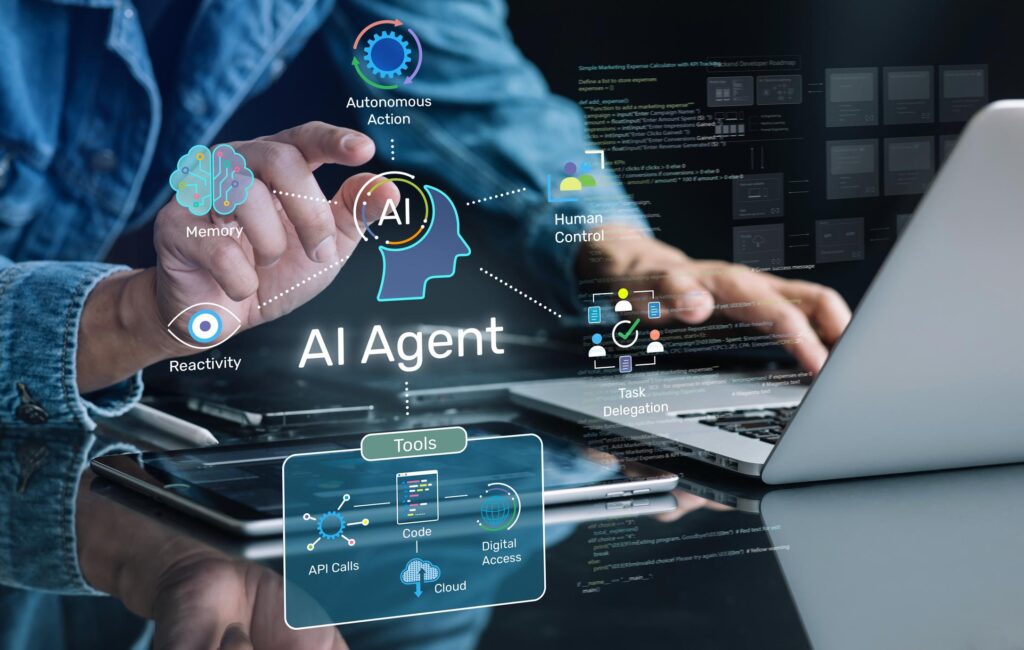
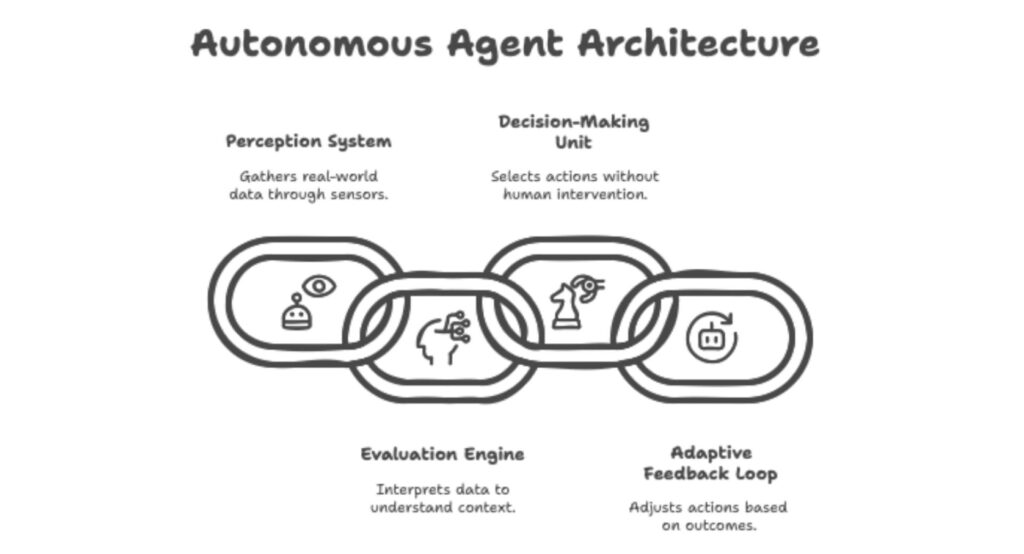
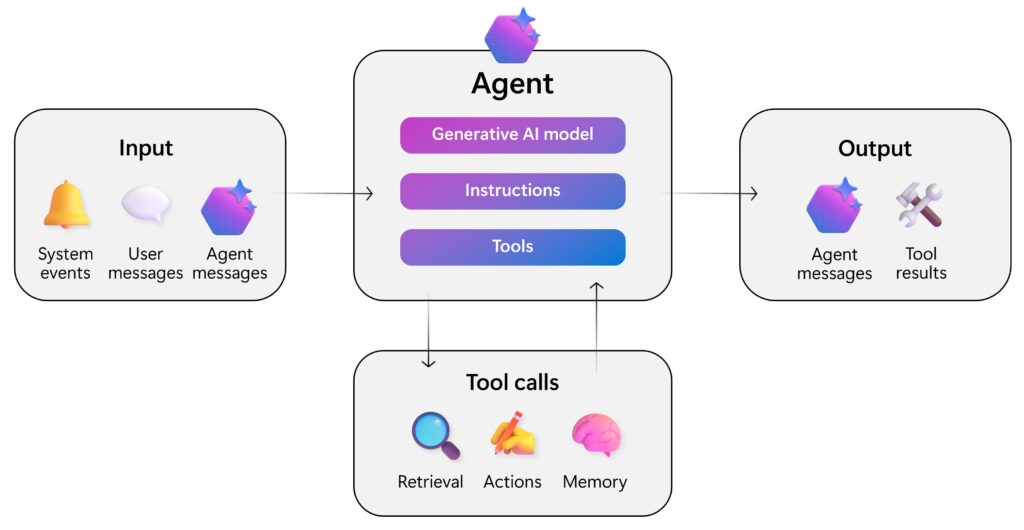
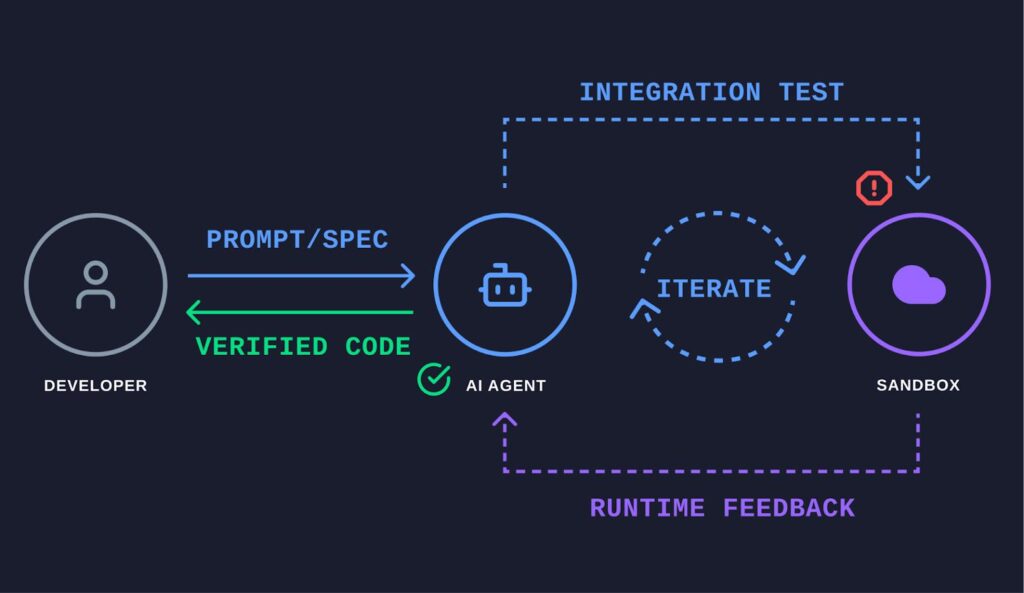
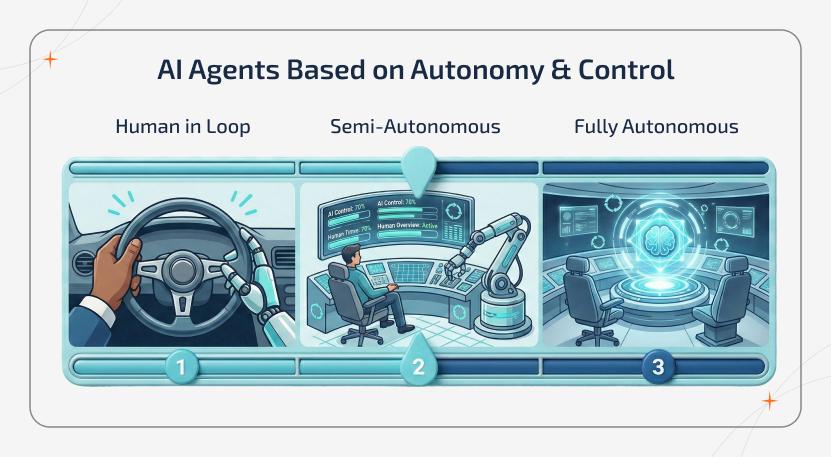
AI agents represent the next evolution of automation.
They enable:
- Autonomous operations
- Intelligent workflow execution
- Reduced manual intervention
- Scalable AI-driven systems
As organizations seek greater efficiency, AI agents are becoming increasingly valuable.
Which Technology Will Shape the Future?
The future will likely involve both:
However, their roles will differ.
AI Copilots Will Dominate:
- Creative work
- Knowledge assistance
- Human collaboration
- Decision support
AI Agents Will Dominate:
- Workflow automation
- Autonomous systems
- Real-time operations
- Intelligent infrastructure
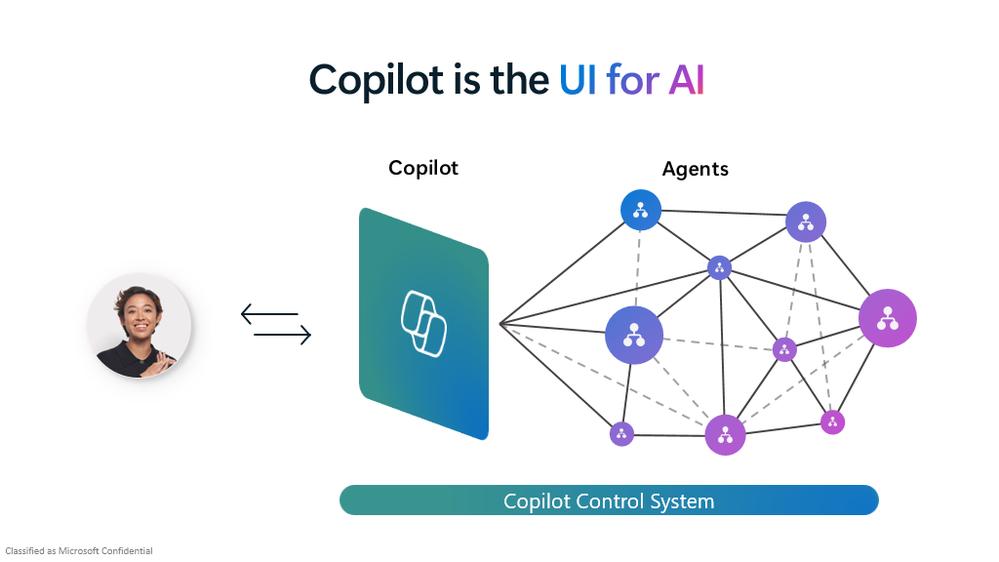
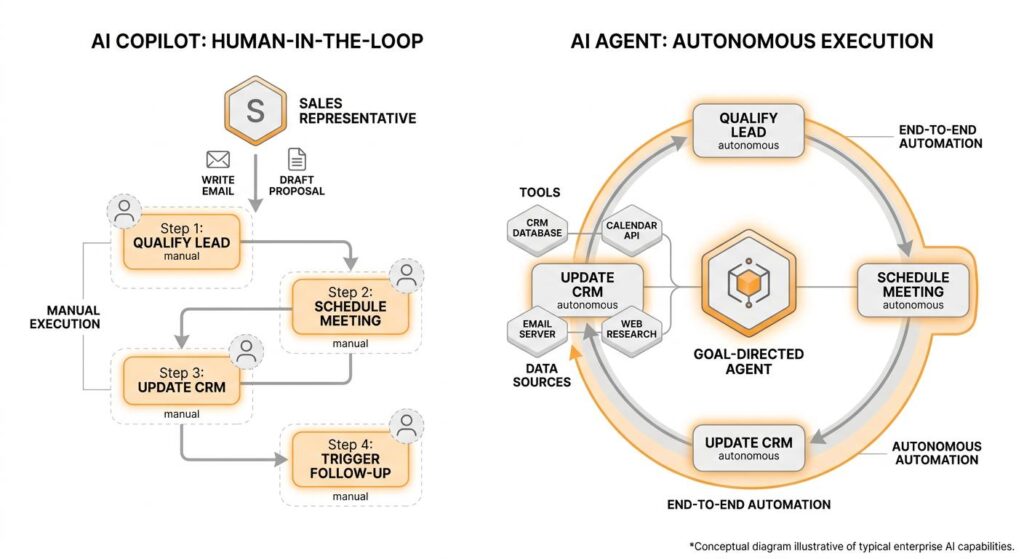
The Rise of Hybrid AI Systems
The most powerful future systems may combine:
- Human-guided copilots
- Autonomous agents
In this model:
- Copilots assist humans
- Agents execute workflows
Together, they create highly efficient AI ecosystems.
Challenges & Concerns
Despite their advantages, both technologies raise important concerns.
Privacy & Security
AI systems often process sensitive data, requiring:
- Secure infrastructure
- Ethical AI practices
- Compliance frameworks
Reliability & Bias
AI outputs can still contain:
- Inaccuracies
- Biases
- Hallucinations
Human oversight remains important.
Workforce Transformation
AI copilots and agents are changing:
- Job roles
- Skill requirements
- Organizational workflows
Rather than replacing humans entirely, they are reshaping collaboration between humans and machines.
The Role of Technology Companies
Technology companies such as Sarnit Infotech Pvt Ltd are increasingly exploring AI-powered systems, intelligent automation, and scalable digital solutions aligned with the future of autonomous AI ecosystems.
As adoption accelerates, organizations capable of integrating AI copilots and AI agents effectively will lead the next phase of digital transformation.
Conclusion
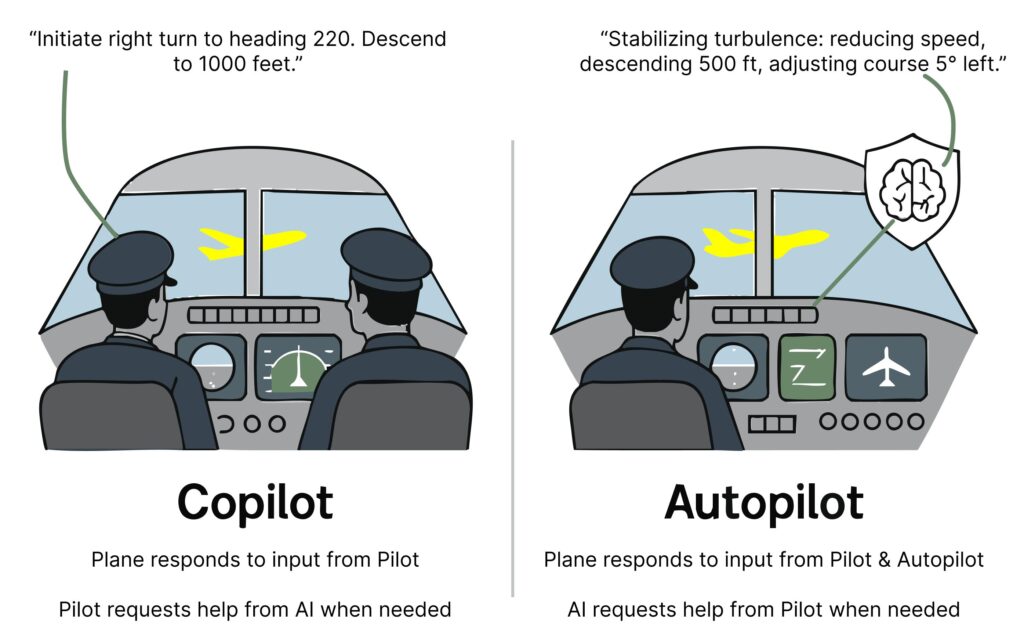
AI copilots and AI agents represent two major directions in the evolution of artificial intelligence.
While copilots focus on:
- Assisting humans
- Enhancing productivity
- Supporting creativity
AI agents focus on:
- Autonomous execution
- Workflow management
- Intelligent decision-making
The future of AI will not be limited to one or the other.
Instead, the next generation of intelligent systems will likely combine both approaches to create more powerful, adaptive, and scalable digital ecosystems.
Understanding the difference between AI copilots and AI agents is no longer optional—it is becoming essential for businesses preparing for the AI-driven future.
Writing & Content Copilots
AI writing assistants help users:
- Draft blogs
- Generate emails
- Improve grammar
- Create marketing content
Humans remain responsible for final review and publishing.
Benefits of AI Agents
Increased Productivity
AI agents automate repetitive and time-consuming tasks, enabling teams to focus on strategic work.
Faster Decision-Making
By analyzing large datasets quickly, AI agents provide real-time insights and recommendations.
Cost Reduction
Businesses can reduce operational expenses by automating routine workflows.
Scalability
AI agents can manage growing workloads without proportional increases in human resources.
Improved Accuracy
AI systems minimize human errors in repetitive operations.
Productivity Copilots
Business productivity tools integrate AI copilots for:
- Scheduling
- Summarization
- Meeting assistance
- Data analysis
Real-World Examples of AI Agents
Customer Support Agents
AI agents can:
- Handle customer queries
- Resolve tickets
- Escalate issues
- Coordinate workflows autonomously
Autonomous Workflow Agents
Businesses deploy agents for:
- Process automation
- Data monitoring
- Workflow orchestration
- Task execution
Multi-Agent Systems
Advanced systems now use multiple AI agents collaborating together.
For example:
- One agent gathers data
- Another analyzes information
- Another generates reports
This creates scalable autonomous ecosystems.
Why AI Copilots Matter
AI copilots are becoming essential because they:
- Increase productivity
- Reduce repetitive work
- Improve user efficiency
- Support human creativity
They are especially effective in environments where:
- Human judgment is critical
- Oversight is required
- Collaboration matters
Why AI Agents Matter
AI agents represent the next evolution of automation.
They enable:
- Autonomous operations
- Intelligent workflow execution
- Reduced manual intervention
- Scalable AI-driven systems
As organizations seek greater efficiency, AI agents are becoming increasingly valuable.
Which Technology Will Shape the Future?
The future will likely involve both:
However, their roles will differ.
AI Copilots Will Dominate:
- Creative work
- Knowledge assistance
- Human collaboration
- Decision support
AI Agents Will Dominate:
- Workflow automation
- Autonomous systems
- Real-time operations
- Intelligent infrastructure
The Rise of Hybrid AI Systems
The most powerful future systems may combine:
- Human-guided copilots
- Autonomous agents
In this model:
- Copilots assist humans
- Agents execute workflows
Together, they create highly efficient AI ecosystems.
Challenges & Concerns
Despite their advantages, both technologies raise important concerns.
Privacy & Security
AI systems often process sensitive data, requiring:
- Secure infrastructure
- Ethical AI practices
- Compliance frameworks
Reliability & Bias
AI outputs can still contain:
- Inaccuracies
- Biases
- Hallucinations
Human oversight remains important.
Workforce Transformation
AI copilots and agents are changing:
- Job roles
- Skill requirements
- Organizational workflows
Rather than replacing humans entirely, they are reshaping collaboration between humans and machines.
The Role of Technology Companies
Technology companies such as Sarnit Infotech Pvt Ltd are increasingly exploring AI-powered systems, intelligent automation, and scalable digital solutions aligned with the future of autonomous AI ecosystems.
As adoption accelerates, organizations capable of integrating AI copilots and AI agents effectively will lead the next phase of digital transformation.
Conclusion
AI copilots and AI agents represent two major directions in the evolution of artificial intelligence.
While copilots focus on:
- Assisting humans
- Enhancing productivity
- Supporting creativity
AI agents focus on:
- Autonomous execution
- Workflow management
- Intelligent decision-making
The future of AI will not be limited to one or the other.
Instead, the next generation of intelligent systems will likely combine both approaches to create more powerful, adaptive, and scalable digital ecosystems.
Understanding the difference between AI copilots and AI agents is no longer optional—it is becoming essential for businesses preparing for the AI-driven future.
Have a question, suggestion, or just want to say hi? We’re here and happy to hear from you!











 WhatsApp
 Email Us
 Call Now