In 2026, the business ecosystem for Micro, Small, and Medium Enterprises (MSMEs) has undergone a major transformation. With rapid digital adoption, increased competition, and evolving customer expectations, traditional ways of managing customers are no longer effective. MSMEs today must operate with the same level of efficiency, intelligence, and customer focus as large enterprises.
One of the most powerful tools enabling this transformation is Customer Relationship Management (CRM) software. A CRM system is no longer a luxury reserved for large corporations—it has become a necessity for MSMEs aiming to grow, compete, and sustain in a digitally driven economy.
This article explores in detail why every MSME needs CRM software in 2026, how it impacts business performance, and what benefits it delivers across operations.
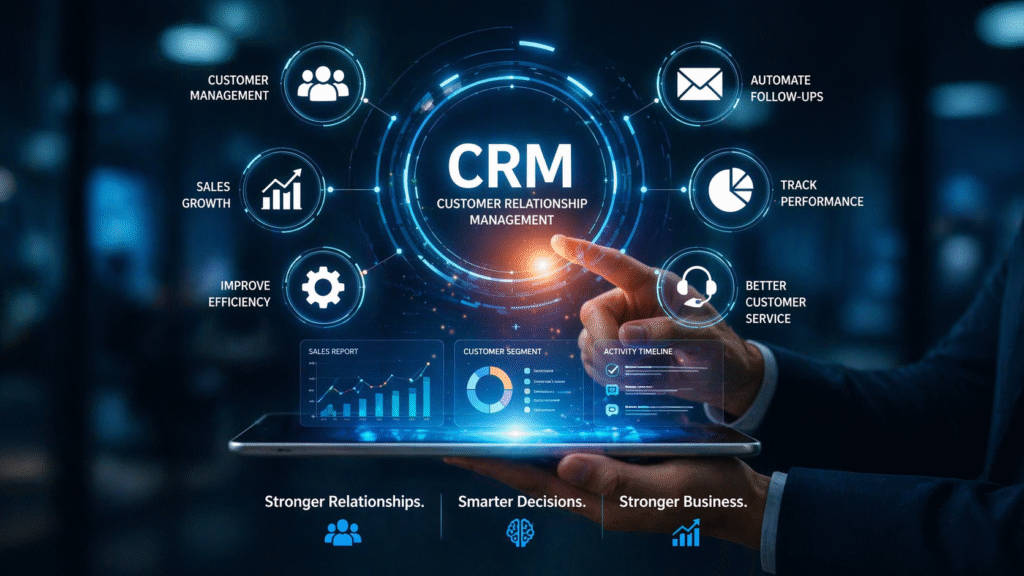
Customer Relationship Management (CRM) software is a centralized platform that helps businesses manage customer interactions, track leads, automate processes, and analyze data. It acts as a single source of truth for all customer-related information.
Instead of relying on scattered spreadsheets, emails, or manual records, CRM systems organize everything into a structured, accessible, and actionable format. This ensures that every team member—from sales to support—has the right information at the right time.
MSMEs in India are increasingly becoming digital-first businesses. Initiatives like Digital India, affordable internet access, and cloud-based tools have accelerated this shift.
However, with digital growth comes new challenges:
In such an environment, managing customer relationships manually leads to inefficiencies, missed opportunities, and reduced growth pote
One of the biggest challenges for MSMEs is handling customer data spread across multiple platforms. Important information like contact details, purchase history, and communication records often gets lost or duplicated.
CRM software solves this by creating a unified database where all customer information is stored and updated in real time.
This centralized system ensures:
As a result, businesses can provide faster and more accurate responses to customers.
For MSMEs, managing leads effectively is crucial for revenue growth. Without a proper system, leads can easily slip through the cracks.
CRM software provides a structured sales pipeline where businesses can:
This visibility allows MSMEs to focus on high-value opportunities and improve conversion rates.
Time is one of the most valuable resources for MSMEs. Manual tasks such as sending follow-up emails, updating records, and scheduling meetings consume significant time and effort.
CRM systems automate these processes by:
Automation not only saves time but also minimizes human errors and ensures consistency in operations.
In 2026, customer experience is a key differentiator. Customers expect personalized communication and quick resolutions.
CRM software enables businesses to:
This leads to stronger relationships, higher customer satisfaction, and improved retention rates.
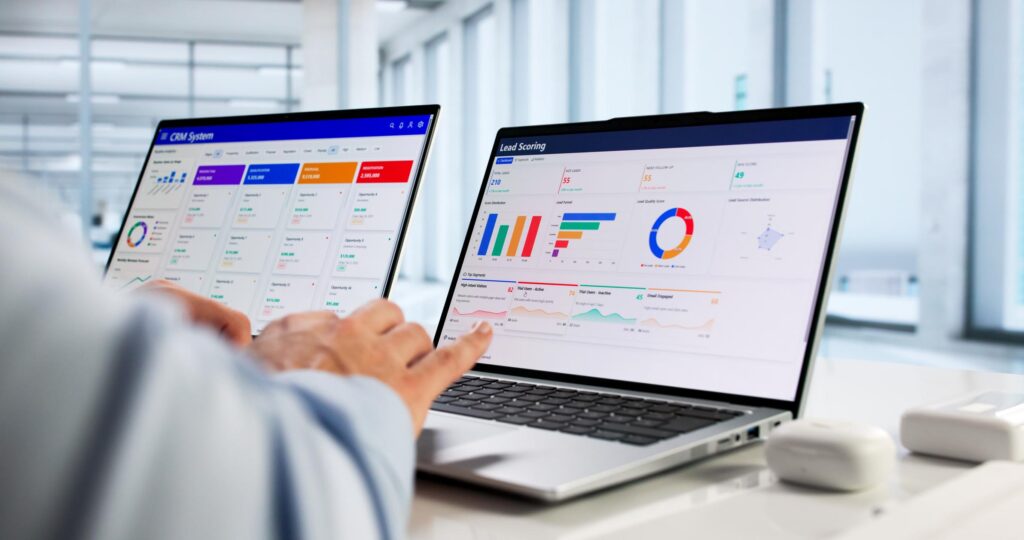
Data is the backbone of modern business decisions. CRM systems provide powerful analytics and reporting tools that help MSMEs make informed decisions.
With CRM insights, businesses can:
This reduces guesswork and enables strategic planning based on real data.
CRM platforms act as a shared workspace where all departments can collaborate effectively. Sales, marketing, and customer support teams can access the same information and work together seamlessly.
This improves:
As MSMEs grow, managing operations manually becomes increasingly difficult. CRM systems are designed to scale with business growth.
They allow businesses to:
This ensures smooth expansion without operational bottlenecks.
CRM software helps MSMEs plan and execute targeted marketing campaigns. Businesses can segment customers based on behavior, preferences, and demographics.
This allows for:
In today’s digital era, data security is critical. CRM systems provide secure storage and controlled access to sensitive customer information.
Features include:
This ensures compliance with data protection standards and builds customer trust.
Businesses that do not adopt CRM software often struggle with:
These challenges can significantly hinder growth and competitiveness.
The future of CRM is being shaped by advanced technologies such as Artificial Intelligence and Machine Learning. Modern CRM systems are becoming smarter and more intuitive.
Key trends include:
These advancements will further empower MSMEs to operate efficiently and deliver exceptional customer experiences.
In 2026, CRM software has become an essential tool for MSMEs aiming to thrive in a competitive and digital-first environment. It enables businesses to manage customer relationships effectively, streamline operations, and make data-driven decisions.
By adopting CRM, MSMEs can not only improve efficiency but also unlock new growth opportunities and build long-term customer loyalty.
For any MSME looking to scale and succeed, investing in CRM software is no longer optional—it is a strategic necessity.
Partner with SarNit Infotech’s App Solutions team to create powerful, secure, and user-friendly apps that deliver results and elevate your brand experience.